
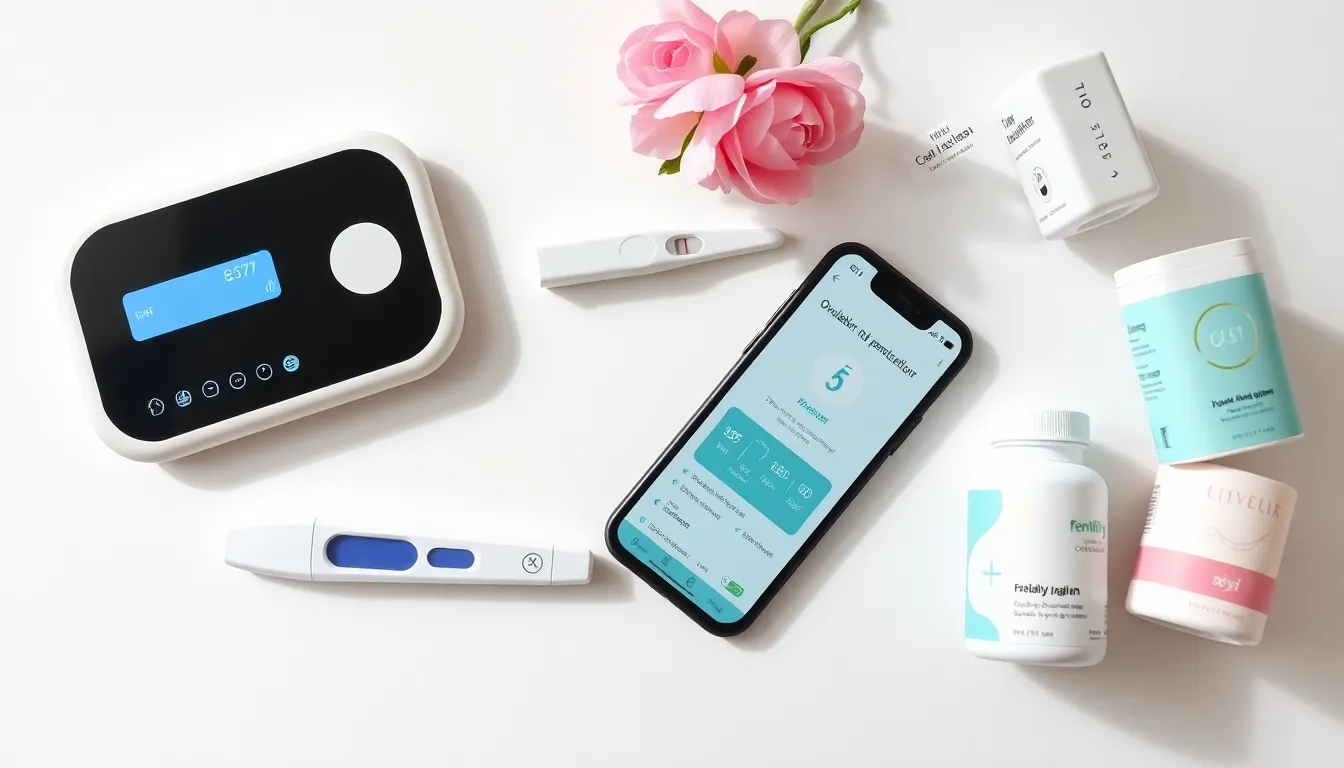
Trying to conceive tools can make a real difference for couples hoping to start or grow their families. These resources help identify fertile windows, track cycles, and optimize the chances of pregnancy. From ovulation predictor kits to fertility apps, the options available today offer practical support backed by science. This guide breaks down the most effective trying to conceive tools, explaining how each one works and who benefits most from using them.
Key Takeaways
- Trying to conceive tools like ovulation predictor kits, fertility apps, and BBT thermometers help pinpoint your fertile window for optimal timing.
- Combining multiple tracking methods—such as calendar tracking, cervical mucus monitoring, and symptom logging—improves ovulation prediction accuracy.
- Fertility monitors that measure hormone concentrations are especially useful for those with irregular cycles or PCOS.
- Choose science-based fertility apps carefully, as studies show only a handful meet accuracy standards for predicting fertile windows.
- Lifestyle tools like prenatal vitamins, sperm-friendly lubricants, and stress management apps complement cycle tracking to support overall fertility.
- Wearable BBT devices like Tempdrop and Ava simplify temperature tracking by taking continuous overnight readings and syncing with prediction apps.
Ovulation Tracking Methods
Ovulation tracking forms the foundation of most trying to conceive tools. The concept is simple: pregnancy can only occur during a short window each cycle, typically 12 to 24 hours after ovulation. Identifying this window increases the odds of conception significantly.
Several methods exist for tracking ovulation:
- Calendar Method: This approach uses past cycle data to predict future ovulation dates. It works best for those with regular cycles but can miss the mark for irregular ones.
- Cervical Mucus Monitoring: As ovulation approaches, cervical mucus becomes clear, stretchy, and slippery, similar to raw egg whites. This change signals peak fertility.
- Symptom Tracking: Some people notice physical signs like mild pelvic pain, breast tenderness, or increased libido around ovulation.
Combining multiple tracking methods improves accuracy. Many trying to conceive tools integrate these approaches into one system, giving users a clearer picture of their fertile days.
Fertility Apps and Digital Tools
Fertility apps have become some of the most popular trying to conceive tools on the market. They store cycle data, predict ovulation, and send reminders, all from a smartphone.
Top-rated fertility apps include Clue, Flo, Ovia, and Glow. Each offers slightly different features, but most share core functions:
- Cycle length tracking
- Ovulation predictions based on logged data
- Symptom and mood logging
- Intercourse timing suggestions
- Integration with wearable devices
Some apps use algorithms that learn from user input over time. The more data entered, the more accurate predictions become. Advanced options sync with basal body temperature devices or ovulation predictor kits for even better results.
Digital trying to conceive tools also offer community features. Forums and chat groups connect users with others on similar journeys, providing emotional support alongside practical guidance.
One word of caution: apps vary in accuracy. A 2018 study published in the Journal of the American Board of Family Medicine found that only a handful of fertility apps met accuracy standards for predicting fertile windows. Choosing a well-reviewed, science-based app matters.
Ovulation Predictor Kits and Fertility Monitors
Ovulation predictor kits (OPKs) detect the luteinizing hormone (LH) surge that occurs 24 to 36 hours before ovulation. They provide a clear, objective signal that ovulation is imminent.
These trying to conceive tools come in two main formats:
- Test Strips: Affordable and widely available, test strips display lines that darken as LH levels rise. Users compare the test line to a control line.
- Digital Tests: These display clear “yes” or “no” results, removing guesswork. Some digital options track estrogen alongside LH for a wider fertile window.
Fertility monitors take OPKs a step further. Devices like Clearblue Fertility Monitor and Mira track hormone patterns across the entire cycle. They store data, show trends, and identify both high and peak fertility days.
For those with irregular cycles or conditions like polycystic ovary syndrome (PCOS), monitors can be particularly helpful. Standard OPKs may give false positives for some PCOS patients due to elevated baseline LH levels. Monitors that measure actual hormone concentrations offer more reliable readings.
Cost varies widely among these trying to conceive tools. Basic test strips cost just a few dollars for a month’s supply. Advanced monitors can run several hundred dollars upfront, with ongoing costs for test wands or cartridges.
Basal Body Temperature Thermometers
Basal body temperature (BBT) thermometers measure the body’s resting temperature to detect ovulation patterns. After ovulation, progesterone causes a slight temperature rise, usually 0.2 to 0.5 degrees Fahrenheit, that lasts until the next period.
BBT thermometers differ from regular thermometers in precision. They measure to the hundredth of a degree, capturing subtle shifts that standard thermometers miss.
Using BBT as a trying to conceive tool requires consistency. Users take their temperature at the same time each morning, before getting out of bed or drinking anything. They then chart the readings to spot the post-ovulation temperature rise.
The limitation? BBT confirms ovulation after it happens, not before. By the time the temperature rises, the fertile window has closed. But, tracking BBT over several cycles reveals patterns that help predict future ovulation dates.
Modern BBT trying to conceive tools include wearable devices like Tempdrop and Ava. These wearables take continuous temperature readings overnight, eliminating the need for manual morning measurements. They sync with apps that analyze the data and predict fertile days.
Lifestyle and Wellness Tools
Beyond cycle tracking, lifestyle and wellness tools support fertility in meaningful ways. These trying to conceive tools address factors like nutrition, stress, and overall health.
Prenatal Vitamins: Starting prenatal vitamins before conception ensures adequate folate levels, which reduce neural tube defect risks. Many formulas also include iron, vitamin D, and omega-3 fatty acids.
Fertility-Focused Supplements: CoQ10, vitamin E, and myo-inositol have shown promise in some studies for supporting egg and sperm quality. But, individuals should consult healthcare providers before adding supplements.
Sperm-Friendly Lubricants: Standard lubricants can impair sperm motility. Products like Pre-Seed and BabyDance are formulated to mimic natural cervical mucus and support sperm survival.
Stress Management Tools: Chronic stress may affect hormone levels and ovulation. Apps for meditation, yoga programs, and relaxation techniques serve as indirect trying to conceive tools by promoting hormonal balance.
Diet and Exercise Trackers: Maintaining a healthy weight supports fertility for both partners. Apps that track nutrition and physical activity help users stay on course without obsessing over details.