Family activities and games for beginners offer a simple way to strengthen relationships and create lasting memories. Whether parents have young children or teenagers at home, shared play builds trust and improves communication. The best part? Families don’t need expensive equipment or special skills to get started. A deck of cards, a backyard, or even a living room floor can become the setting for hours of laughter. This guide covers easy indoor games, outdoor activities, and practical tips for launching successful family game nights. Every family can find something that fits their schedule and interests.
Key Takeaways
- Family activities and games for beginners strengthen relationships and create lasting memories without requiring expensive equipment or special skills.
- Indoor games like Uno, Jenga, and charades are easy to learn and keep all ages engaged during quality family time.
- Outdoor activities such as tag, nature walks with bingo cards, and backyard games like cornhole encourage active participation for every skill level.
- Consistency matters more than perfection—even 30 minutes of dedicated family game time each week can improve household dynamics.
- Setting a regular schedule, rotating who picks the activity, and disconnecting from devices help family game nights succeed long-term.
- Prioritize participation and connection over competition to ensure everyone feels included and wants to play again.
Why Family Activities Matter for Connection
Family activities do more than fill time. They create shared experiences that become the foundation of strong relationships. When families play together, they communicate differently. The pressure of daily routines fades, and genuine conversations happen naturally.
Research supports this idea. A study from the American Psychological Association found that children who regularly participate in family activities show higher self-esteem and better emotional regulation. These benefits extend to adults too. Parents who engage in play with their kids report lower stress levels and greater life satisfaction.
Family activities and games for beginners work especially well because they remove barriers. No one feels left out when everyone starts at the same level. A grandmother learning a new card game alongside her grandchildren creates moments of connection that structured activities often miss.
Shared play also teaches valuable skills. Children learn to take turns, handle disappointment gracefully, and celebrate others’ successes. Adults model patience and good sportsmanship. These lessons stick because they happen in a relaxed, enjoyable context rather than a lecture.
The key is consistency, not perfection. Even 30 minutes of dedicated family time each week can shift the dynamic in a household. Family activities and games for beginners make this consistency achievable because they require minimal preparation.
Easy Indoor Games the Whole Family Can Enjoy
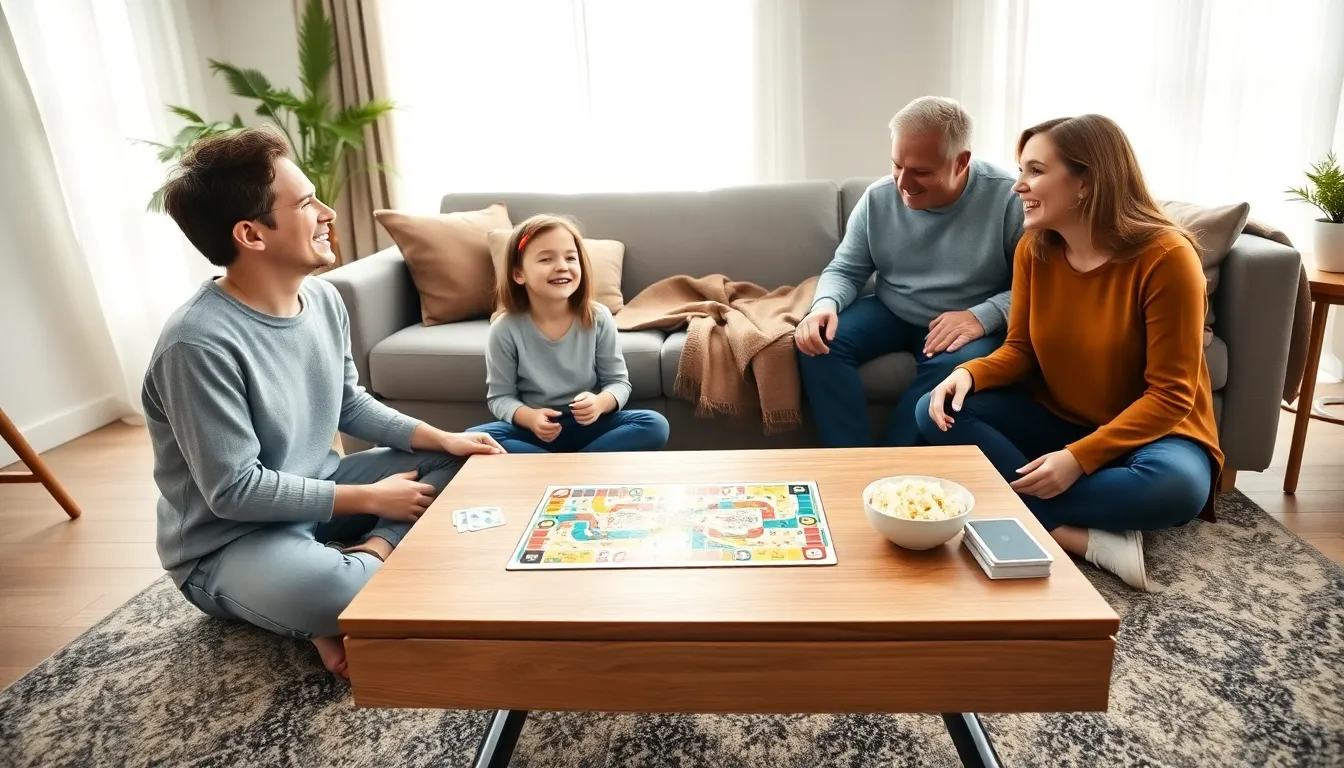
Indoor games offer flexibility. Rain or shine, families can gather around a table or spread out on the floor for some quality time. Here are several options that work well for beginners:
Card Games
Classic card games remain popular for good reason. Uno requires no prior experience and suits players as young as five. Go Fish introduces younger children to basic strategy while keeping rounds short. For families with older kids, Spoons adds physical comedy and quick reflexes to the mix.
A standard 52-card deck opens up dozens of possibilities. War, Crazy Eights, and Old Maid all take minutes to learn.
Board Games
Modern board games have expanded far beyond Monopoly. Ticket to Ride teaches geography and planning without overwhelming new players. Candy Land works perfectly for preschoolers who haven’t mastered reading yet. Jenga builds tension and laughter with every precarious move.
Family activities and games for beginners should start simple. Choose games with short rule books and playing times under 45 minutes. This keeps attention spans intact and leaves everyone wanting more.
DIY Options
Families don’t need to spend money to have fun indoors. Charades costs nothing and scales to any group size. Scavenger hunts transform a living room into an adventure zone. Building forts from blankets and pillows sparks creativity in children and adults alike.
Family activities and games for beginners often succeed best when they feel spontaneous rather than scheduled.
Simple Outdoor Activities for All Ages
Fresh air adds energy to family time. Outdoor activities and games for beginners take advantage of backyards, parks, and neighborhood sidewalks without requiring athletic ability.
Backyard Classics
Tag never goes out of style. Variations like freeze tag or flashlight tag (for evening play) keep the game fresh. Hide and seek works in any outdoor space with a few trees or structures.
For slightly more structured play, cornhole offers a gentle learning curve. Sets are inexpensive, and the underhand toss motion suits all ages. Bocce ball provides similar low-impact competition with an Italian flair.
Nature-Based Activities
Nature walks become adventures with small modifications. Families can create bingo cards featuring items to spot: a red bird, a pinecone, a butterfly. This transforms a simple stroll into a shared mission.
Gardening counts as a family activity too. Even apartment dwellers can grow herbs on a windowsill. Children who plant seeds learn patience and responsibility while spending quality time with parents.
Active Games
Families seeking more movement can try kickball or wiffle ball. These sports use soft equipment and flexible rules that accommodate mixed skill levels. Frisbee works well in open spaces and requires just one inexpensive disc.
Family activities and games for beginners should prioritize participation over competition. When everyone feels included, the activity succeeds regardless of who wins.
Tips for Getting Started With Family Game Nights
Starting a family game night tradition takes some planning, but the effort pays off quickly. These practical tips help beginners launch successfully:
Set a Regular Schedule
Consistency matters more than frequency. A weekly Friday night works well for many families, but any regular slot will do. Put it on the calendar and protect that time from other commitments.
Let Everyone Choose
Rotate who picks the activity each week. This gives every family member ownership and ensures variety. Even young children appreciate having their preferences honored.
Keep Snacks Simple
Popcorn, fruit, or cheese and crackers create a festive atmosphere without requiring extra cooking. The focus should stay on the activity, not the food preparation.
Start Short
Family activities and games for beginners work best in smaller doses. Aim for 30-60 minutes initially. As everyone builds enthusiasm, sessions can extend naturally.
Handle Competition Gracefully
Some family members will care more about winning than others. Establish expectations early: good sportsmanship matters, and the goal is connection rather than victory. Consider mixing cooperative games into the rotation where everyone works toward a shared objective.
Disconnect From Devices
Phones and tablets belong in another room during family game night. This boundary might face resistance initially, but it makes the quality time meaningful.
Family activities and games for beginners thrive when expectations stay realistic. Some nights will flop. Kids will argue. Adults will feel tired. The commitment to showing up consistently outweighs any single session’s success.