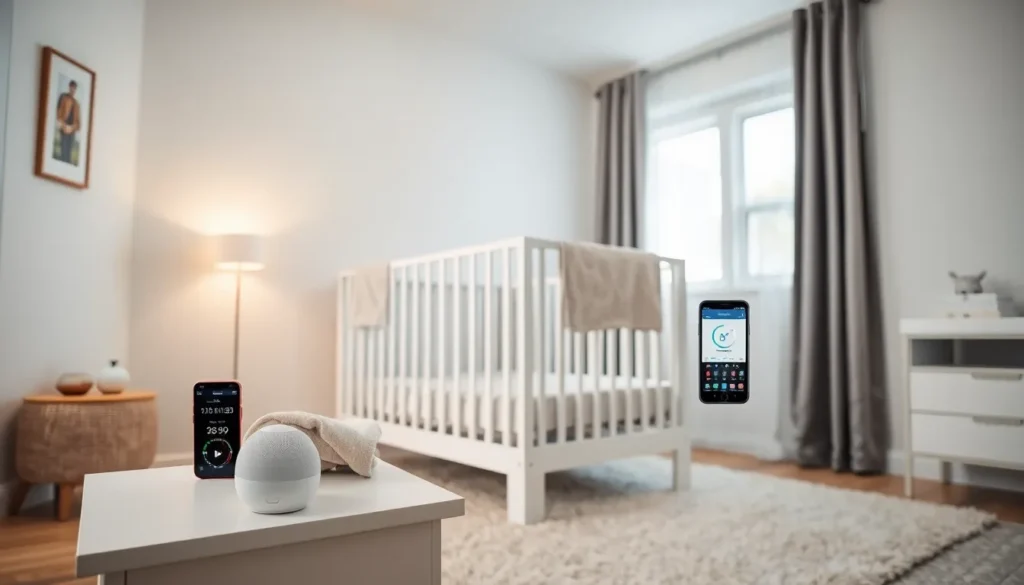
Newborn sleep cycles tools help parents establish healthy rest patterns for their babies. New parents often struggle with irregular sleep schedules during the first months. A newborn’s sleep differs significantly from adult sleep, with shorter cycles and frequent wakings. The right tools can make a real difference in both baby and parent well-being.
This guide covers the most effective newborn sleep cycles tools available today. From white noise machines to sleep tracking apps, these aids support better rest for the whole family. Understanding how these tools work, and which ones fit specific needs, gives parents practical options for improving sleep quality.
Key Takeaways
- Newborn sleep cycles last only 50–60 minutes, with frequent wakings being normal as babies transition between cycles.
- White noise machines are highly effective newborn sleep cycles tools, helping 80% of babies fall asleep within five minutes.
- Sleep tracking apps like Huckleberry analyze patterns and predict optimal nap windows based on your baby’s logged data.
- Swaddles prevent the startle reflex from disrupting sleep, while sleep sacks provide safe warmth and serve as consistent sleep cues.
- Keep the nursery between 68–72°F and use blackout curtains to create a sleep-friendly environment.
- Combining multiple newborn sleep cycles tools with a consistent bedtime routine produces the best results for baby and parent rest.
Understanding Newborn Sleep Cycles
Newborn sleep cycles last about 50 to 60 minutes, compared to 90 minutes for adults. Babies spend roughly half their sleep time in REM (rapid eye movement) sleep. This light sleep phase causes frequent stirring and brief awakenings.
During the first three months, newborns sleep 14 to 17 hours per day. But, this sleep happens in short bursts of two to four hours. Their internal clocks haven’t developed yet, so day and night hold no meaning for them.
Newborn sleep cycles tools address these biological realities. They work by:
- Creating consistent sleep cues
- Reducing environmental disruptions
- Tracking patterns to identify optimal sleep windows
- Providing physical comfort that mimics the womb
Understanding these cycles helps parents choose the right tools. A baby waking every 45 minutes isn’t necessarily having problems, they’re simply transitioning between sleep cycles. The goal isn’t to eliminate wakings but to help babies return to sleep more easily.
White Noise Machines and Sound Devices
White noise machines rank among the most popular newborn sleep cycles tools. They work by masking household sounds that might wake a sleeping baby. The consistent sound also reminds babies of the whooshing noises they heard in the womb.
Research supports their effectiveness. A 2017 study found that 80% of newborns fell asleep within five minutes when exposed to white noise. Without it, only 25% fell asleep in the same timeframe.
Types of Sound Machines
Traditional white noise machines produce a steady static-like sound. They’re simple and effective for most babies.
Pink noise devices offer a softer alternative. Pink noise has more bass and resembles rainfall or ocean waves. Some babies respond better to this gentler option.
Shushing machines mimic the “shh” sound parents naturally make. These work well for newborns who’ve grown accustomed to being shushed to sleep.
Key Features to Consider
Look for machines with adjustable volume controls. The American Academy of Pediatrics recommends keeping sound machines below 50 decibels and placing them at least 7 feet from the crib.
Portable options help maintain sleep routines during travel. Battery-powered or rechargeable models offer flexibility. Some attach directly to strollers or car seats, making them useful newborn sleep cycles tools for on-the-go families.
Sleep Tracking Apps and Monitors
Sleep tracking technology gives parents data-driven insights into their baby’s rest patterns. These newborn sleep cycles tools range from simple apps to advanced wearable monitors.
Sleep Tracking Apps
Basic tracking apps let parents log feeding times, diaper changes, and sleep windows. Over time, patterns emerge. Parents can spot optimal nap times and predict when their baby will likely wake.
Popular options include Huckleberry, which uses an algorithm to suggest ideal sleep windows based on logged data. The app analyzes patterns and provides “sweet spot” predictions for naps.
Smart Monitors
Wearable monitors track breathing, heart rate, and movement during sleep. Devices like the Owlet Smart Sock provide real-time data through smartphone apps. Parents receive alerts if readings fall outside normal ranges.
Video monitors with sleep tracking features offer another option. Some analyze movement patterns and generate sleep reports. They show how long the baby slept, how often they woke, and the quality of rest.
Using Data Effectively
Tracking works best when parents act on the information. Key metrics to watch include:
- Total sleep hours per 24-hour period
- Length of individual sleep sessions
- Wake windows between naps
- Patterns related to feeding times
These newborn sleep cycles tools help parents move beyond guesswork. Rather than wondering why the baby won’t sleep, they can identify specific factors affecting rest.
Swaddles and Sleep Sacks
Physical comfort plays a major role in newborn sleep quality. Swaddles and sleep sacks address the Moro reflex, that startle response that wakes babies from light sleep.
Swaddles
Traditional swaddling involves wrapping a baby snugly in a blanket. Modern swaddle products simplify this process with velcro closures, zippers, or snap buttons. These newborn sleep cycles tools keep arms contained, preventing the startle reflex from disrupting sleep.
Popular swaddle brands offer different designs:
- Arms-down swaddles keep arms at the baby’s sides
- Arms-up swaddles position arms near the face, which some babies prefer
- Transitional swaddles allow one or both arms out for babies learning to roll
Swaddling remains safe only while babies sleep on their backs and haven’t started rolling. Most babies transition out of swaddles between 2 and 4 months.
Sleep Sacks
Sleep sacks replace loose blankets, which pose suffocation risks. They’re essentially wearable blankets that keep babies warm without covering their faces.
For older babies who’ve outgrown swaddles, sleep sacks become the go-to option. They come in various TOG ratings, a measurement of thermal resistance. Lighter TOGs suit warm rooms, while higher TOGs work for cooler environments.
These newborn sleep cycles tools also serve as sleep cues. Putting on a sleep sack signals to the baby that sleep time has arrived. This consistency helps establish healthy sleep associations.
Creating a Sleep-Friendly Environment
The best newborn sleep cycles tools work within a sleep-supportive environment. Room conditions significantly impact how well babies rest.
Temperature Control
Experts recommend keeping nursery temperatures between 68 and 72 degrees Fahrenheit. Overheating increases SIDS risk, while cold rooms cause discomfort and waking. Room thermometers, some built into baby monitors, help parents maintain ideal conditions.
Light Management
Darkness triggers melatonin production, the hormone that regulates sleep. Blackout curtains block outside light during daytime naps. At night, dim nightlights allow parents to check on babies without fully waking them.
Some parents use red or amber nightlights specifically. These wavelengths disrupt sleep less than blue or white light from standard bulbs or screens.
Putting It All Together
Newborn sleep cycles tools work best as part of a consistent routine. A typical approach might include:
- Dimming lights 30 minutes before sleep
- Putting on a fresh diaper and sleep sack
- Turning on the white noise machine
- A final feeding in a calm environment
Consistency matters more than any single tool. Babies learn to associate these cues with sleep over time. The combination of physical comfort, sound, darkness, and routine creates conditions where sleep comes more easily.