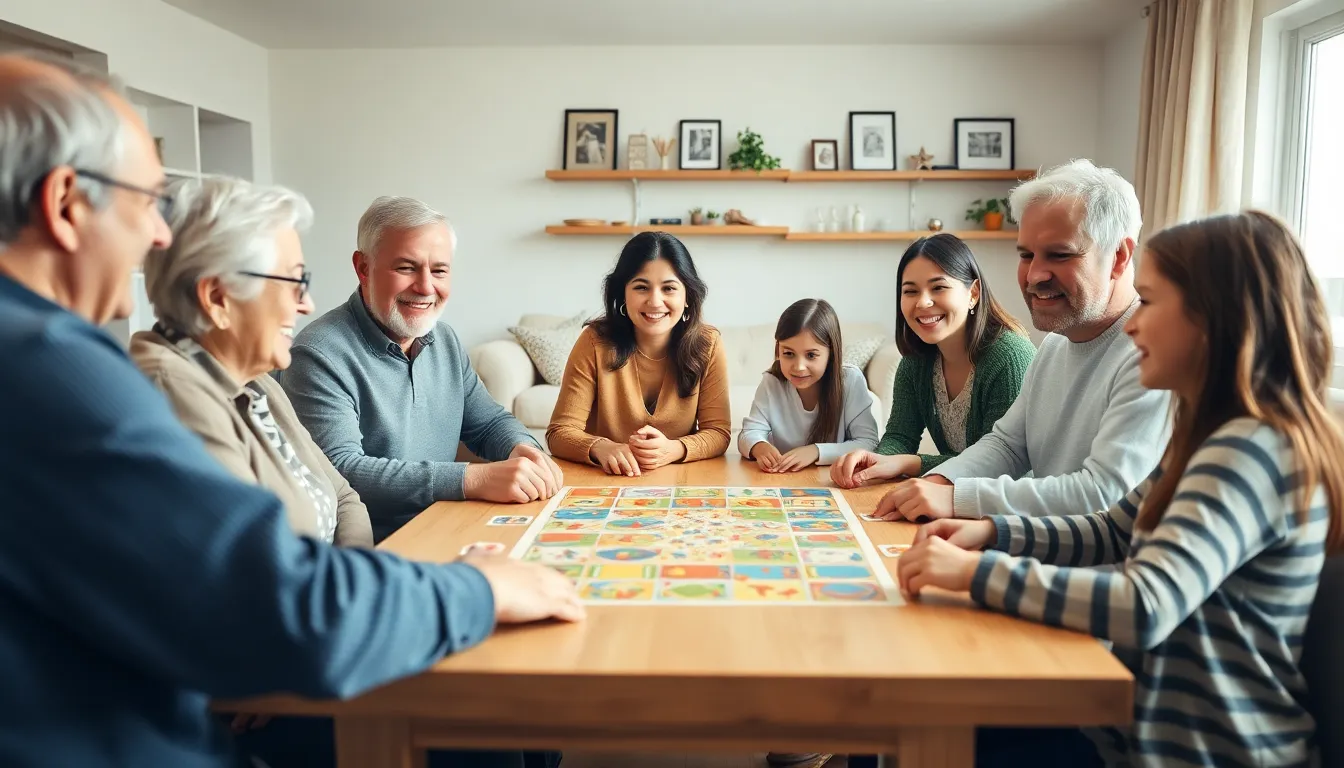
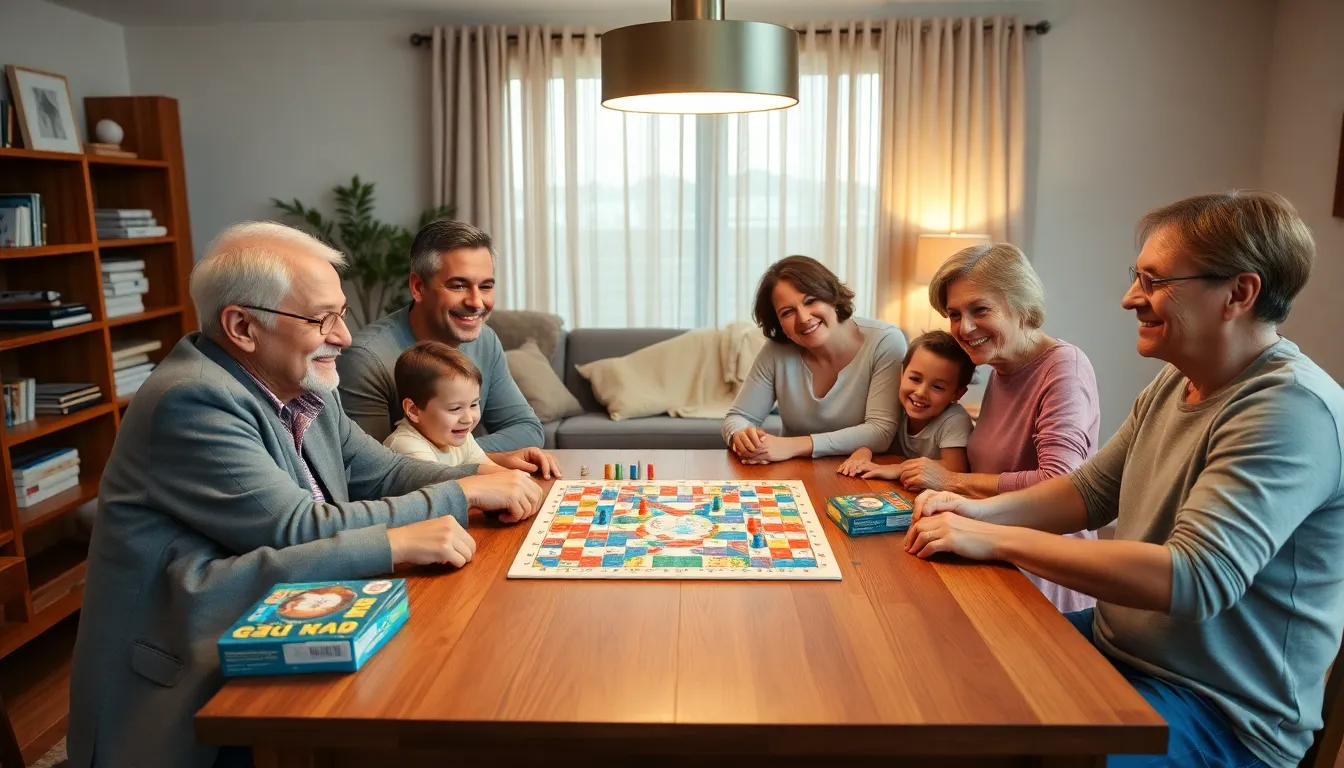
Finding the right top family activities and games can turn an ordinary evening into a memorable bonding experience. Families today juggle busy schedules, screen distractions, and varying age groups, making shared activities more valuable than ever. Whether it’s a competitive board game night or a backyard adventure, these moments create lasting connections. This guide covers the best family activities and games that bring everyone together, from toddlers to grandparents. Each suggestion offers genuine fun without requiring expensive equipment or elaborate planning. The goal is simple: help families spend quality time together while building stronger relationships.
Key Takeaways
- Top family activities and games don’t require expensive equipment—simple board games, outdoor adventures, and creative indoor play create lasting memories.
- Classic board games like Uno, Scrabble, and Monopoly teach valuable life skills such as patience, turn-taking, and good sportsmanship.
- Outdoor activities like hiking, biking, and backyard sports combine exercise with quality bonding time for all fitness levels.
- Rainy days offer opportunities for creative indoor games including charades, treasure hunts, cooking together, and building challenges.
- Screen-free activities like storytelling circles, card games, and reading aloud build deeper family connections than passive entertainment.
- Setting aside regular time for family games and activities creates traditions that children often carry into adulthood.
Classic Board Games Everyone Can Enjoy
Board games have connected families for generations, and they remain among the top family activities and games for good reason. They require face-to-face interaction, strategic thinking, and healthy competition, all packed into one activity.
Monopoly continues to dominate family game nights. Players buy properties, collect rent, and negotiate trades. A single game can last hours, giving families extended time together. For younger children, Monopoly Junior offers simpler rules and shorter play times.
Scrabble builds vocabulary while keeping everyone engaged. It works well for families with older kids and adults. Parents can adjust rules to help younger players, like allowing proper nouns or giving bonus points for effort.
Uno offers fast-paced fun that suits all ages. Games last 15-30 minutes, making it perfect for quick sessions. The simple rules mean children as young as five can participate fully.
The Game of Life teaches basic financial concepts through play. Families make decisions about careers, houses, and investments. Kids learn cause-and-effect relationships while having fun.
For families seeking cooperative experiences, Pandemic requires players to work together against the game itself. This removes the competitive edge that sometimes frustrates younger children.
Board games also teach patience, turn-taking, and good sportsmanship. These skills transfer beyond game night into daily life. Setting aside one evening per week for board games creates a family tradition that children often carry into adulthood.
Outdoor Activities for Active Families
Outdoor activities rank high among top family activities and games because they combine exercise with bonding time. Fresh air and physical movement benefit everyone’s mental and physical health.
Hiking works for families of all fitness levels. Local trails offer varying difficulties, from flat nature walks to challenging climbs. Pack snacks, water, and a simple scavenger hunt list to keep kids engaged. Finding specific leaves, rocks, or animals adds an educational element.
Backyard sports require minimal equipment. Soccer, basketball, and frisbee get everyone moving. Families can create their own tournaments with brackets and prizes. Even young children can participate with modified rules.
Bike rides explore neighborhoods and parks together. Family cycling creates conversation opportunities that car rides don’t offer. Weekend bike adventures to ice cream shops or local attractions become anticipated traditions.
Gardening projects teach responsibility and patience. Children plant seeds, water daily, and watch growth over weeks. Harvesting vegetables or flowers provides tangible rewards for their work.
Camping, whether in a state park or the backyard, creates adventure without screens. Setting up tents, building campfires, and telling stories under the stars bond families in unique ways. Backyard camping offers a gentle introduction for younger kids.
Nature photography walks turn ordinary outings into creative exercises. Give each family member a phone or camera. Challenge everyone to capture specific themes: something red, something tiny, something beautiful. Compare photos afterward and vote on favorites.
These outdoor family activities and games cost little but deliver significant returns in health, happiness, and connection.
Creative Indoor Games for Rainy Days
Bad weather doesn’t have to mean boredom. Creative indoor games offer some of the best family activities and games when outdoor options disappear.
Charades gets everyone laughing without any equipment. Players act out movies, animals, or actions while teammates guess. Families can create custom categories based on shared interests or inside jokes.
Indoor treasure hunts transform homes into adventure zones. One person hides clues leading to a prize. Each clue directs hunters to the next location. Kids love both hiding and seeking roles.
Building challenges using blocks, LEGOs, or household items spark creativity. Set a timer and theme, tallest tower, strongest bridge, or most creative animal. Judge entries together and award silly prizes.
Arts and crafts sessions produce keepsakes while building skills. Painting, clay modeling, or DIY projects give families shared accomplishments. Display finished work around the house to celebrate everyone’s efforts.
Dance parties require only music and enthusiasm. Clear furniture from one room and let loose. Parents and kids take turns choosing songs. These spontaneous activities often become favorite memories.
Cooking together turns meal prep into family time. Assign age-appropriate tasks: younger kids wash vegetables while older ones measure ingredients. Pizza-making nights let everyone customize their portions.
Puzzle sessions build patience and problem-solving skills. Large puzzles can span multiple days, giving families an ongoing project. Working on puzzles encourages conversation in ways screens don’t.
These indoor family activities and games prove that fun doesn’t require sunshine or expensive outings.
Screen-Free Activities That Build Connection
Putting down devices opens space for meaningful interaction. Screen-free options represent some of the top family activities and games for building genuine connections.
Storytelling circles let imagination run wild. One person starts a story, stops mid-sentence, and the next person continues. The story twists in unexpected directions as each family member adds their creativity.
Question games deepen relationships through conversation. Games like “Would You Rather” or “Two Truths and a Lie” reveal preferences, dreams, and funny stories. Families learn new things about each other during these simple exchanges.
Card games offer portable entertainment anywhere. Classics like Go Fish, Crazy Eights, and War require only a standard deck. Families can play during car trips, waiting rooms, or lazy afternoons.
Reading aloud works for all ages. Parents reading to young children is obvious, but older kids and teens often enjoy being read to as well. Choose adventure stories, mysteries, or family-friendly novels. Take turns reading chapters.
Memory games sharpen minds while entertaining. Simple matching games work for young children. Older family members might enjoy more complex memory challenges. These games level the playing field, kids often outperform adults.
Music-making sessions don’t require instruments. Singing, clapping rhythms, or using household items as percussion creates shared musical experiences. Families with instruments can hold informal jam sessions.
Photo album nights connect generations through stories. Pull out old photos and let grandparents or parents share memories. Children learn family history while bonding with older relatives.
These screen-free family activities and games prioritize presence over distraction, creating deeper bonds than passive entertainment ever could.