Family activities and games examples help parents and children build stronger bonds while having fun. Spending quality time together creates lasting memories and strengthens relationships. Whether families prefer indoor games, outdoor adventures, or creative projects, plenty of options exist for every age group and interest level.
This guide covers practical ideas that bring families closer. From classic board games to DIY crafts, these activities offer something for everyone. The best part? Most require minimal equipment and fit easily into busy schedules.
Key Takeaways
- Family activities and games examples range from indoor board games to outdoor adventures, offering options for every age group and interest level.
- Screen-free entertainment like storytelling, dance parties, and classic parlor games encourages genuine connection and conversation.
- Creative DIY projects such as cooking together or simple science experiments combine learning with fun for the whole family.
- Scheduling regular family game nights builds anticipation and protects quality time from other commitments.
- Choosing age-appropriate activities and keeping competition friendly ensures everyone enjoys the experience without frustration.
- Staying flexible and switching activities when something falls flat keeps the focus on connection rather than completing a specific game.
Indoor Games for All Ages
Indoor games work perfectly for rainy days, cold evenings, or anytime the family wants to stay home. These family activities and games examples appeal to different age groups and skill levels.
Board Games and Card Games
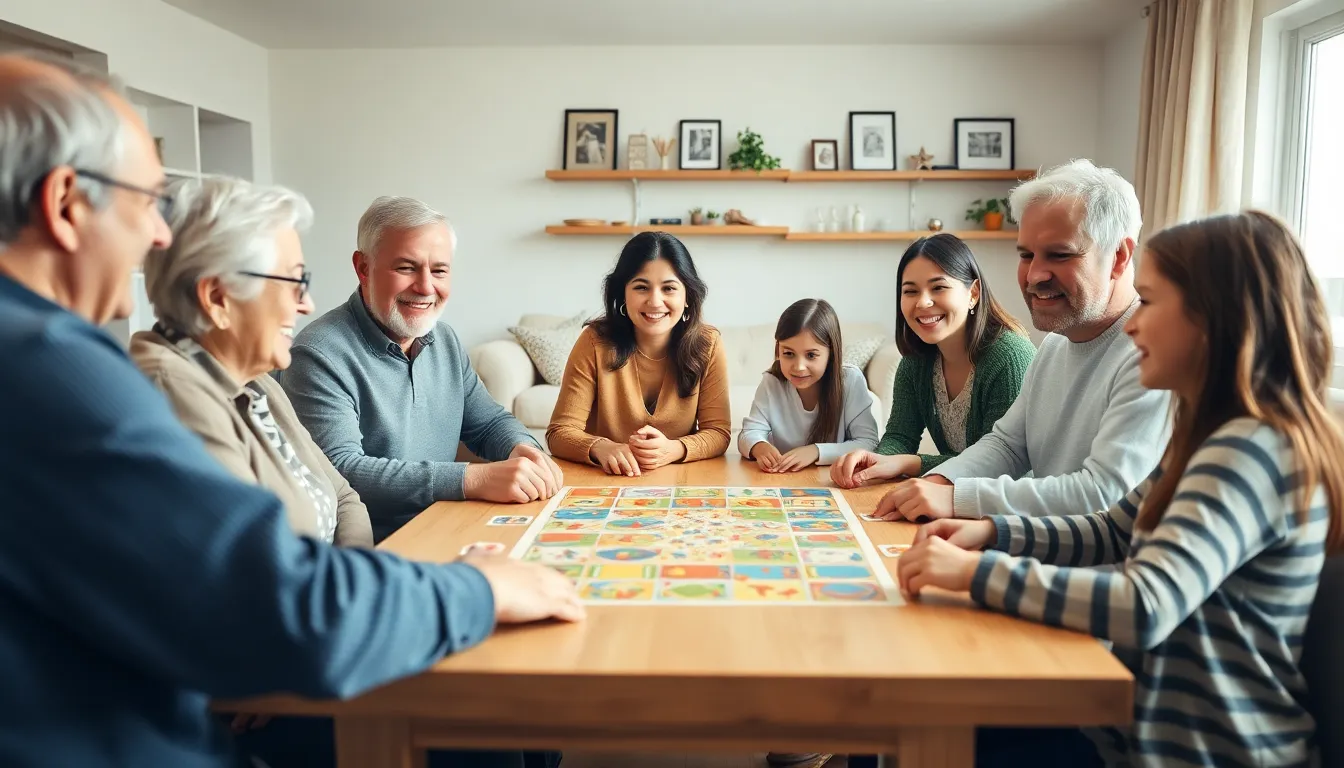
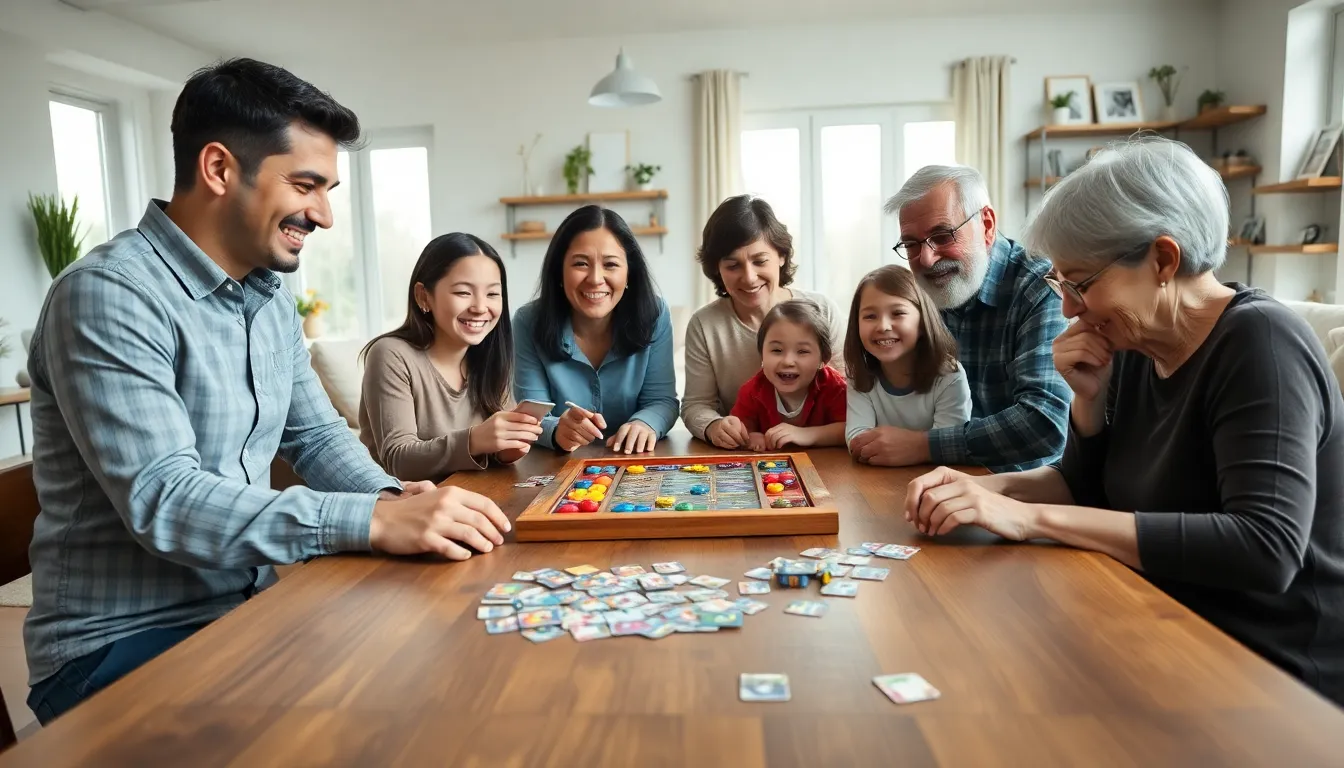
Classic board games remain popular for good reason. Games like Monopoly, Scrabble, and Clue teach strategy while providing hours of entertainment. Card games such as Uno, Go Fish, and Rummy require only a deck of cards and basic instructions.
For younger children, Candy Land and Chutes and Ladders introduce game mechanics without complicated rules. Older kids and teens often enjoy strategy games like Ticket to Ride or Catan.
Puzzle Challenges
Jigsaw puzzles give families a shared goal to work toward. A 500-piece puzzle can occupy an entire weekend, with family members contributing whenever they have time. This activity encourages teamwork and patience.
Active Indoor Games
Indoor games don’t have to mean sitting still. Charades gets everyone moving and laughing. Balloon volleyball works well in living rooms, just push furniture aside. Scavenger hunts send kids racing through the house searching for hidden items.
These family activities and games examples prove that staying indoors doesn’t limit fun options.
Outdoor Activities the Whole Family Can Enjoy
Fresh air and open space create ideal conditions for family bonding. Outdoor family activities and games examples range from simple yard games to full-day adventures.
Backyard Games
Backyards transform into activity zones with minimal equipment. Tag, hide-and-seek, and capture the flag cost nothing but provide endless entertainment. Lawn games like cornhole, bocce ball, and croquet add variety.
Water balloon fights and sprinkler runs cool everyone down during summer months. Setting up an obstacle course using household items challenges kids physically while parents time their runs.
Nature Exploration
Hiking trails offer exercise and education combined. Families can identify plants, spot wildlife, and collect interesting rocks or leaves. Nature walks work for all fitness levels, even toddlers enjoy short paths.
Bird watching requires only binoculars and a field guide. This quiet activity teaches observation skills and introduces children to local wildlife.
Sports and Physical Games
Kicking a soccer ball, shooting hoops, or tossing a frisbee gets everyone active. These activities scale easily, young children practice basic skills while older family members play competitively.
Bike rides through neighborhoods or parks provide exercise and exploration. Families discover new routes and make regular outings a tradition.
Creative and DIY Family Projects
Creative projects let families make something together. These family activities and games examples result in finished products everyone feels proud of.
Arts and Crafts
Painting, drawing, and coloring require basic supplies most families already own. Seasonal crafts, like making holiday decorations or greeting cards, add purpose to the activity.
Building with LEGOs or constructing model kits develops fine motor skills and patience. Families can work on large sets together over several sessions.
Cooking and Baking Together
The kitchen becomes a classroom when families cook together. Children learn measurement, following instructions, and food safety. Simple recipes like cookies, pizza, or smoothies give kids hands-on experience.
Baking competitions add excitement, each family member decorates their own cupcake, and everyone votes for favorites.
DIY Science Experiments
Simple experiments spark curiosity without expensive equipment. Baking soda volcanoes, slime making, and growing crystals teach basic science concepts. Many experiments use common household items.
These creative family activities and games examples combine learning with fun, keeping everyone engaged.
Screen-Free Entertainment Ideas
Putting devices away opens opportunities for genuine connection. Screen-free family activities and games examples encourage conversation and imagination.
Storytelling and Reading
Reading aloud works for all ages. Parents can read picture books to young children or take turns reading chapters from novels with older kids. Creating stories together, where each person adds the next sentence, sparks creativity.
Acting out favorite books or making up plays gives children performance experience while entertaining the whole family.
Music and Dance
Dance parties require only a speaker and some space. Each family member picks a song, and everyone dances together. Musical chairs and freeze dance add structure for younger children.
Learning instruments together creates shared goals. Even simple percussion instruments let families make music.
Classic Parlor Games
20 Questions, I Spy, and Would You Rather need no materials at all. These games work during car rides, waiting rooms, or quiet evenings at home. They encourage thinking and conversation.
Trivia nights test family knowledge across different subjects. Parents might know history, while kids dominate pop culture categories.
Tips for Making Family Game Time a Success
Planning helps family activities and games examples succeed. A few strategies make these experiences more enjoyable for everyone.
Schedule Regular Time
Consistent scheduling builds anticipation and habit. Weekly game nights or monthly activity days give families something to look forward to. Putting these events on the calendar protects them from other commitments.
Choose Age-Appropriate Activities
Matching activities to participants’ abilities prevents frustration. Young children need simpler games with fewer rules. Teens prefer challenges that test their skills. When ages vary widely, pick activities that allow different participation levels.
Keep Competition Friendly
Some family members take winning seriously, sometimes too seriously. Setting ground rules about sportsmanship prevents arguments. Emphasizing fun over victory keeps everyone happy.
Rotating who picks the activity ensures everyone gets their favorites included.
Stay Flexible
Not every activity works as planned. If something falls flat, switching to a different game beats forcing bored participation. The goal remains connection, not completing a specific activity.
These tips help family activities and games examples achieve their purpose: bringing people together.